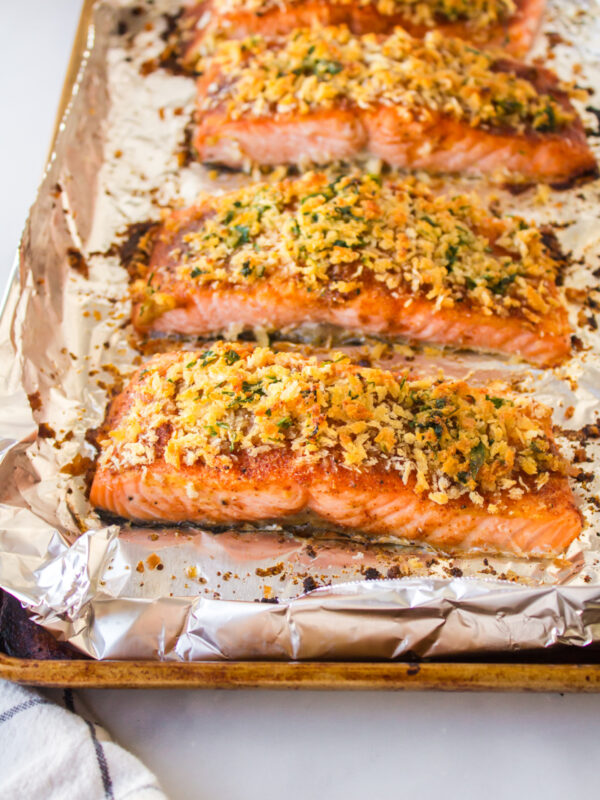
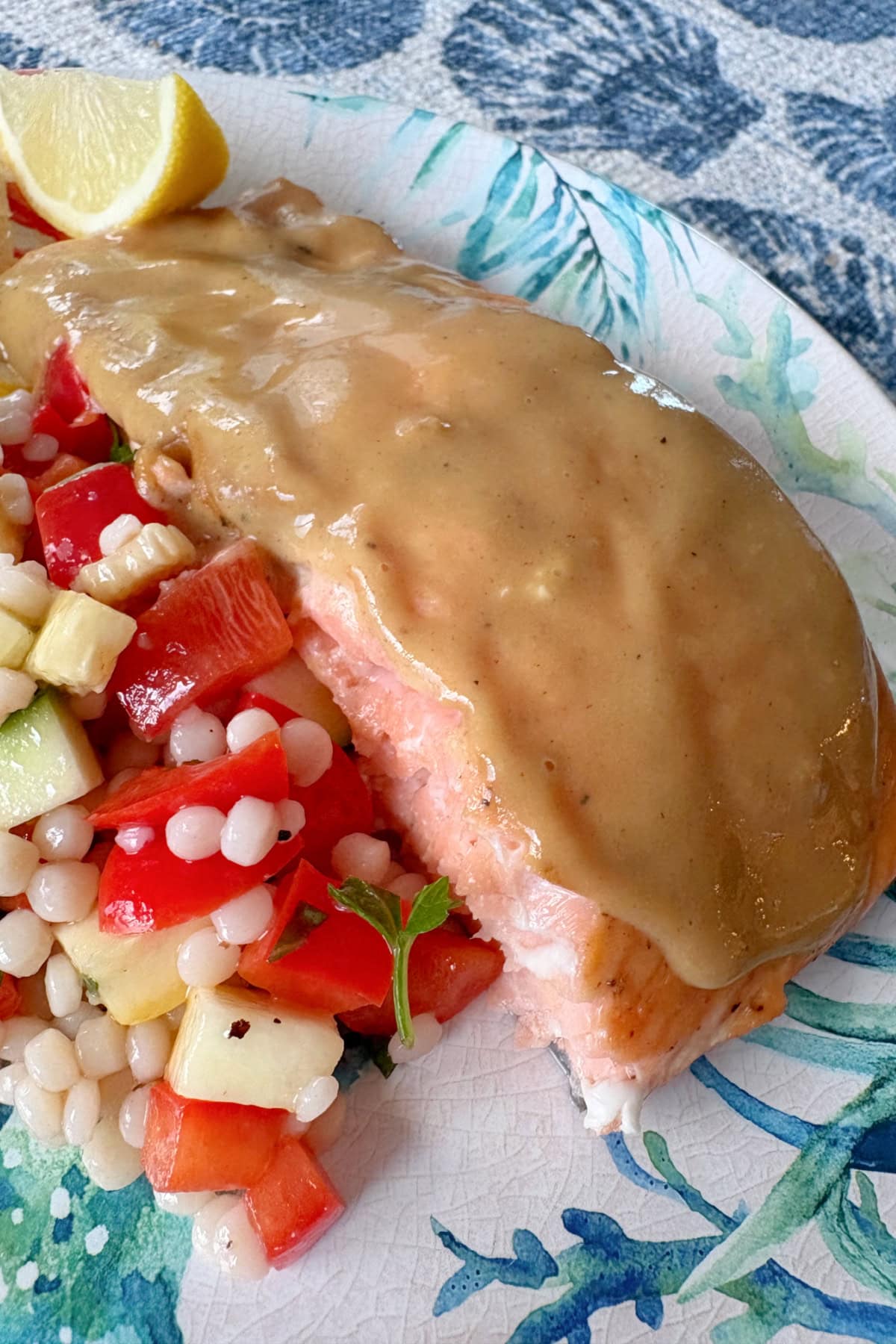
There are some dinners that feel a little bit fancy but require almost no effort, and this Maple Mustard Salmon is one of them. A simple glaze of Dijon mustard, pure maple syrup and garlic transforms an ordinary salmon fillet into a restaurant-worthy meal with minimal prep. As the salmon bakes, the glaze caramelizes slightly while keeping the fish moist, flaky and packed with flavor.
One of the things I love most about this easy baked salmon recipe is that the marinade does almost all the work. After just an hour in the refrigerator, the salmon absorbs the sweet-and-savory flavors of the maple mustard sauce, creating a delicious balance that’s neither overly sweet nor overly tangy. It’s an easy weeknight dinner that’s elegant enough for entertaining and simple enough to make any time you need a healthy meal on the table.
Whether you’re already a salmon lover or trying to add more seafood to your dinner rotation, this baked maple mustard salmon recipe is one you’ll find yourself making often! It’s definitely giving my all-time favorite recipe of BBQ Salmon a run for its money!
Why You’ll Love This Recipe
- It can be ready in about 15 minutes once it’s finished marinating.
- You’ll love the sweet and savory maple mustard glaze with just four ingredients.
- It turns out moist, flaky salmon every time.
- It’s naturally gluten-free (check your Dijon mustard label if needed).
- It’s great for weeknight dinners or entertaining guests.
- Leftovers are delicious served cold to make a salmon salad, or add the salmon to grain bowls.
Ingredients You’ll Need
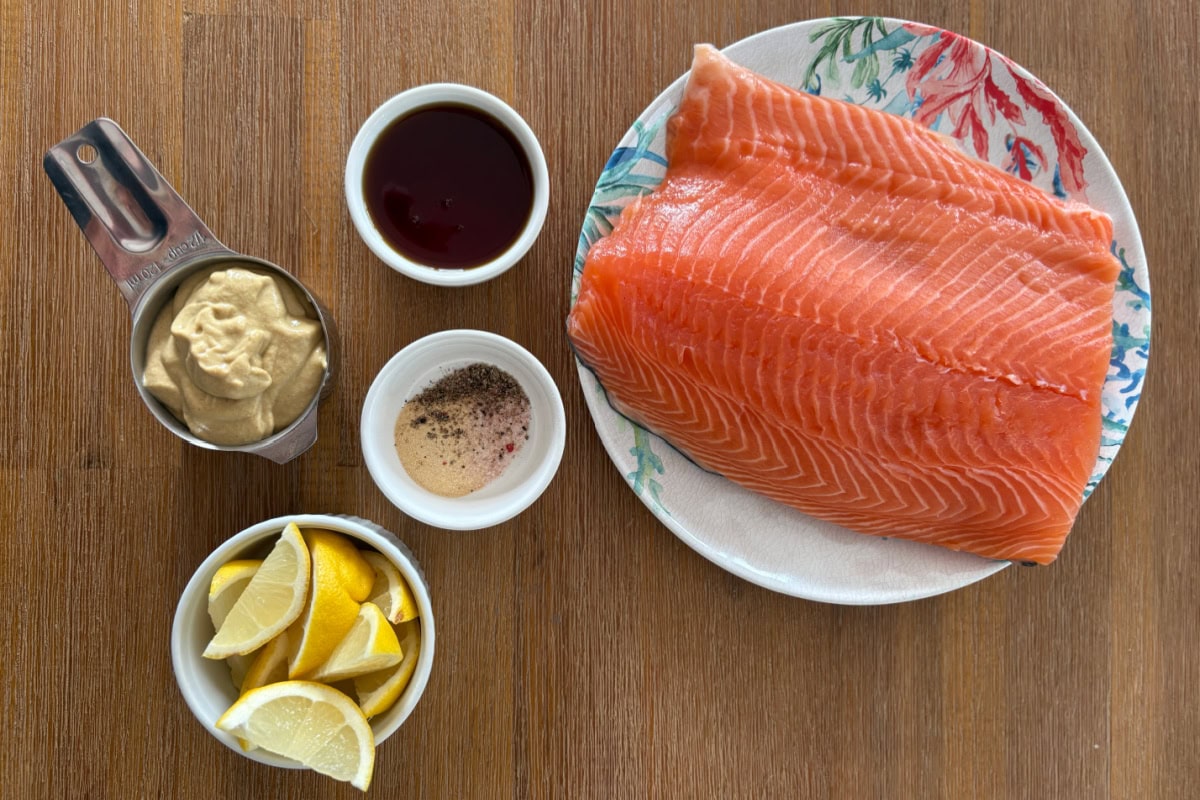
This recipe uses just a handful of ingredients, but each one plays an important role.
- Center-cut salmon fillet: A center-cut fillet cooks evenly and is ideal for serving a family.
- Dijon mustard: Adds bold flavor and creates the base for the glaze.
- Pure maple syrup: Choose real maple syrup instead of pancake syrup for the best flavor.
- Garlic powder: Provides subtle savory depth without overpowering the salmon.
- Salt and freshly ground black pepper: Simple seasonings that enhance the natural flavor of the fish.
- Fresh lemon wedges: A squeeze of lemon at the end brightens every bite.
Why Maple and Mustard Work So Well Together
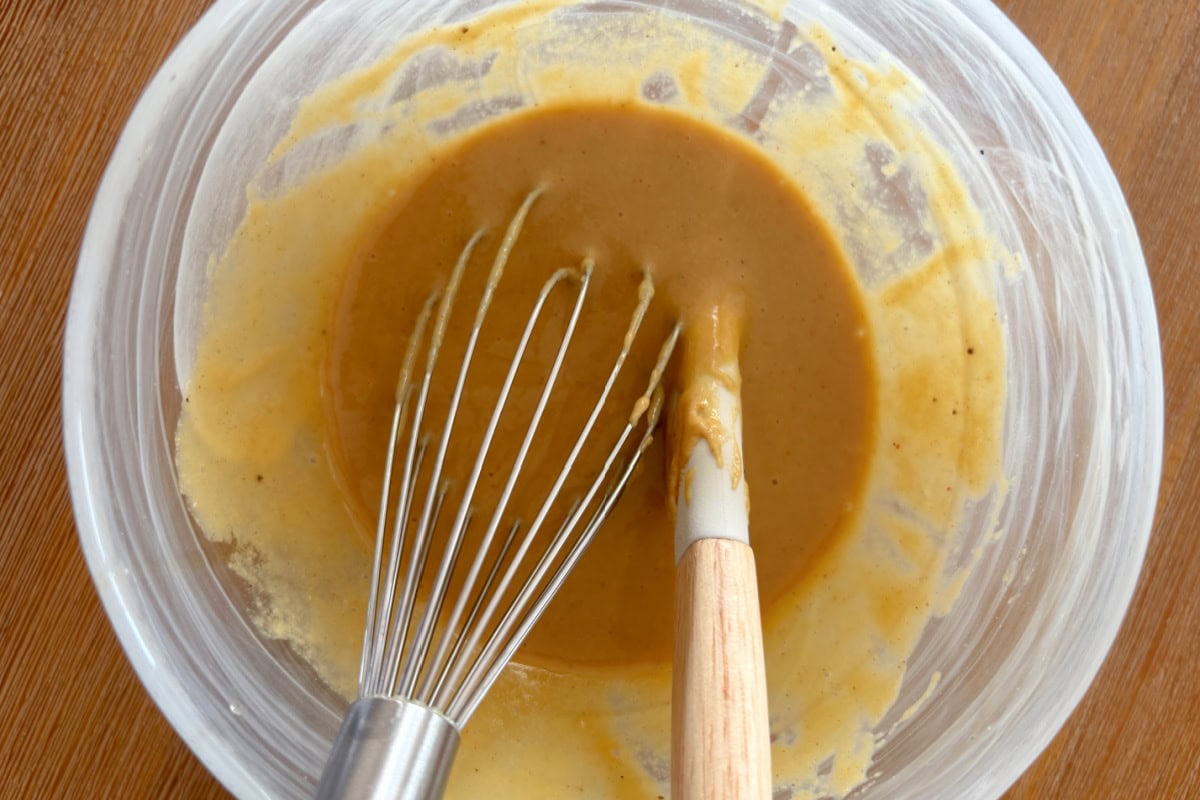
Sweet maple syrup softens the sharp tang of Dijon mustard, creating a glaze that’s balanced and flavorful. As it bakes, the maple syrup lightly caramelizes while the mustard develops a rich, savory flavor. The combination complements salmon beautifully without masking its natural richness.
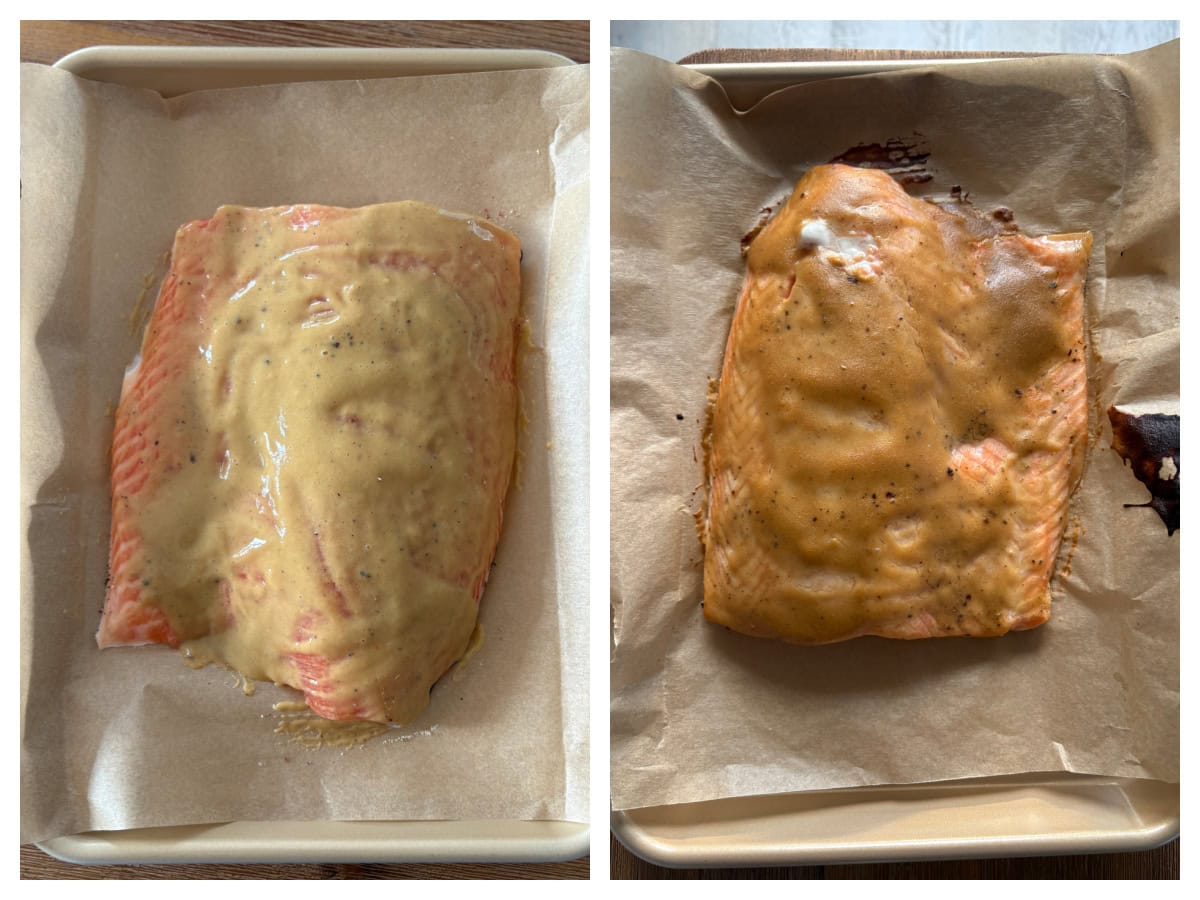
Tips for a Perfect, Easy Salmon Dinner
1. Marinate for maximum flavor
An hour gives the glaze time to penetrate the surface of the fish without changing its texture.
2. Use a thermometer if you’re unsure
For moist salmon, aim for an internal temperature of 125 to 130°F in the thickest part if you prefer it medium, or 145°F if you prefer it fully cooked, following USDA guidance.
3. Bake based on thickness
A thinner fillet may only need 10 to 12 minutes, while a thick center-cut piece could take 15 to 18 minutes.
4. Don’t overcook it
Salmon continues cooking for a few minutes after it comes out of the oven. Remove it while it’s still slightly translucent in the very center for the best texture.
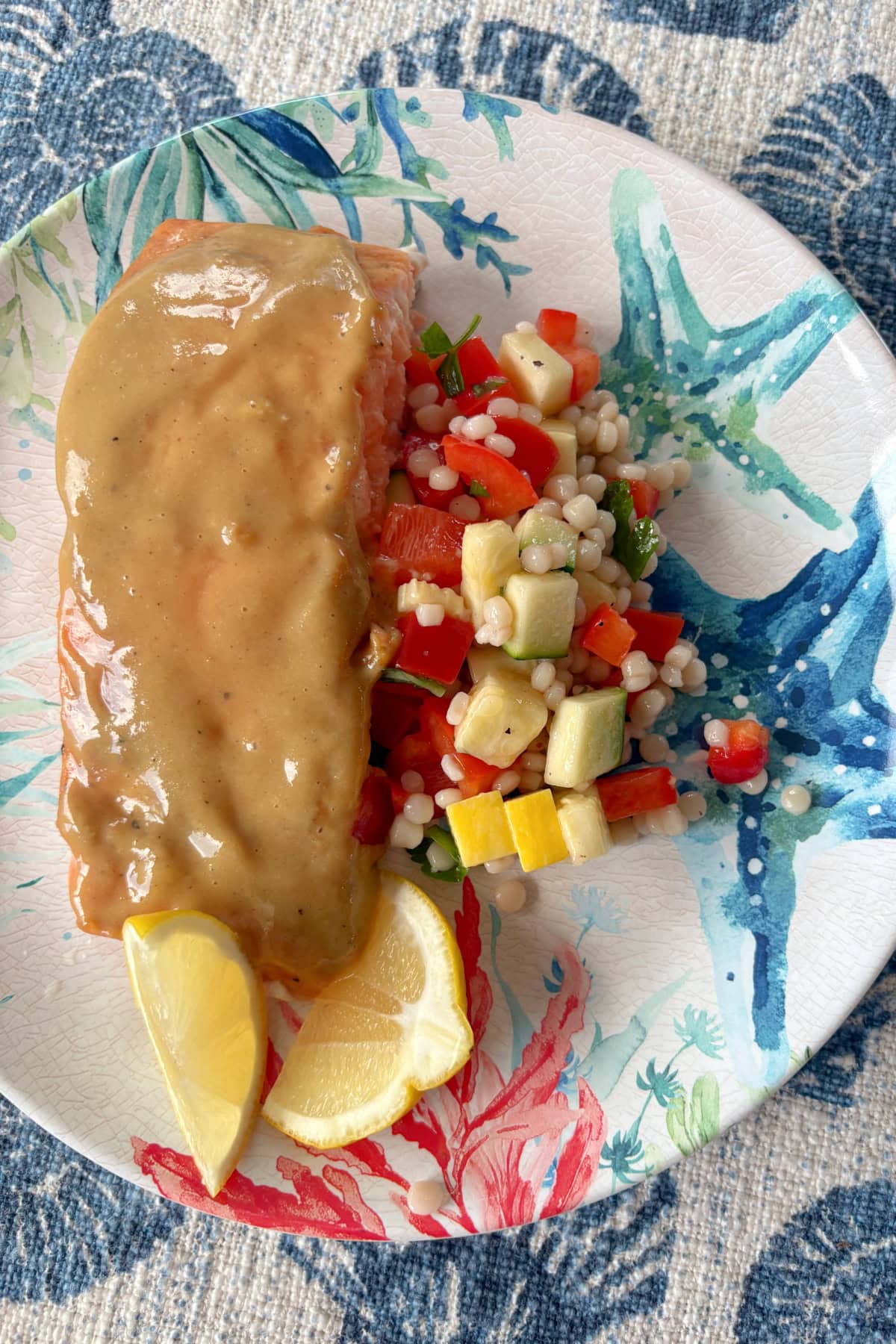
What to Serve with Dijon Maple Salmon
This salmon pairs well with just about any side dish.
Some favorites include:
How to Store Leftovers
Store leftover salmon in an airtight container in the refrigerator for up to 3 days.
It’s delicious mixed into rice bowls. Serve it cold over salad. Try tucking it into wraps. And it’s amazing flaked into creamy pasta (try salmon fusilli!)

FAQ
Can I use individual salmon fillets?
Yes. Individual fillets work perfectly. Reduce the cooking time slightly depending on their thickness.
Can I grill this salmon?
Absolutely. Grill over medium heat until cooked through, brushing with the glaze during cooking.
Can I prepare it ahead?
Yes. Marinate the salmon up to 8 hours in advance, keeping it refrigerated until ready to bake.
Can I use frozen salmon?
Yes. Thaw completely and pat it dry before adding the glaze.
Is maple syrup better than honey?
Both work well, but maple syrup creates a more subtle sweetness that complements Dijon mustard particularly well.
Why This Recipe Works
Many maple salmon recipes rely heavily on brown sugar or butter, but this recipe keeps things simple. Dijon mustard provides bold flavor while pure maple syrup adds just enough sweetness to balance it. Marinating the salmon before baking allows the glaze to cling to the fish and develop even more flavor in the oven. The result is tender, flaky salmon with a beautifully balanced glaze that’s sweet, savory and incredibly easy to make.
Mustard Maple Salmon
Ingredients
- 1½ to 2 pounds center-cut salmon fillet
- salt and freshly ground black pepper
- ½ cup Dijon mustard
- 3 tablespoons pure maple syrup
- 1 teaspoon garlic powder
- lemon wedges
Instructions
- Sprinkle salmon fillet with salt and pepper. Place it on a foil lined rimmed baking sheet.
- In a small bowl, whisk together the Dijon, maple syrup and garlic powder. Pour ¾ of the maple-mustard mixture on top of the salmon. Brush to cover the top. Place the salmon in the refrigerator for at least one hour to marinate.
- Preheat the oven to 400℉.
- Bake the salmon for about 14 minutes, until cooked through but still pink in the middle. (NOTE that bake time will vary according to how thick your salmon is. A thinner fillet will cook quicker).
- Remove the salmon from the oven. Cut into individual pieces and give each of them a squeeze of a lemon wedge. Heat up the remaining sauce, and serve with salmon. It can be spooned on, if diners prefer more sauce.
Notes
- Use center-cut salmon for the most even cooking.
- Marinate for at least 1 hour for the best flavor.
- Adjust the baking time based on the thickness of your salmon fillet.
- Heat the reserved glaze before serving—do not serve the portion that was in contact with the raw fish unless it has been brought to a boil.
- Fresh lemon juice squeezed over the cooked salmon brightens the flavors.
- Leftovers make an excellent addition to salads, grain bowls and wraps
Nutrition
Nutrition information is automatically calculated, so should only be used as an approximation.